When homeowners plan a renovation, the excitement usually starts with paint swatches, tile samples, and Pinterest boards full of modern interiors. The roof, meanwhile, quietly sits at the top of the priority list’s bottom half — often ignored simply because “it’s not leaking yet.” But here’s the uncomfortable truth: a fresh coat of paint on a house with an ageing roof is a bit like putting a new outfit on someone who hasn’t slept in days. It looks fine for a while, but the real problem is still sitting right above your head.
If you’re renovating an old house, choosing the right roofing sheet in Northeast India deserves far more attention than it usually gets — and here’s exactly why.
Should I Replace the Roofing Sheet When Renovating an Old House?
In most cases, yes — especially if your roof is over 10-15 years old or has already shown signs of wear like rust spots, leaks, or dents. Renovation is precisely the right time to address roofing, because structural work, scaffolding, and labour are already in motion. Replacing a roofing sheet in Northeast India during renovation, rather than treating it as a separate future project, saves you both money and disruption in the long run.
Many homeowners make the mistake of renovating everything except the roof, only to deal with leaks and water damage a year or two later — undoing the very interiors and paintwork they just invested in.
Should I Replace My Roof During Home Renovation?
Think about it this way: your roof is the single largest barrier between your home and the weather. Northeast India’s climate — heavy monsoon rainfall, high humidity, and intense sun in between — puts constant stress on roofing materials. If your existing roof was installed over a decade ago, chances are it wasn’t built with today’s improved coatings and corrosion-resistant technology.
Renovating around an old roof is a bit like renovating a car’s interior while ignoring worn-out brakes — it might look great, but the fundamental risk remains. If your renovation budget allows for it, replacing the roofing sheet should be treated as a foundational step, not an optional add-on.
How Do I Know If an Old Roofing Sheet Is Still Usable?
Before deciding whether to replace or retain your existing roof, look out for these warning signs:
- Visible rust patches — Especially around joints, edges, and screw points
- Water stains on ceilings — A clear sign of leaks, even if they seem minor
- Sagging or uneven sections — Indicates structural weakening underneath
- Faded or peeling coating — Suggests the protective layer has worn down significantly
- Noisy roof during rain — Can indicate loose fastenings or weakened sheet integrity
- Age beyond 12-15 years — Even without visible damage, older sheets often lack modern coating technology
If your roof shows two or more of these signs, it’s a strong signal that patch-up repairs won’t cut it — a proper roofing sheet replacement is the safer, more cost-effective route.
Is It Better to Replace an Old Roof Before Renovating the House?
Generally, yes — sequencing matters more than people realize. Renovating interiors, repainting walls, or upgrading flooring before addressing a weak or ageing roof creates unnecessary risk. If the roof develops a leak after your renovation is complete, you’re not just fixing a roof anymore — you’re potentially repairing water-damaged ceilings, walls, and flooring you just finished renovating.
Replacing the roofing sheet first, or at least early in the renovation timeline, protects the rest of your investment. It’s a classic case of “do the unglamorous work first” — unexciting, but it prevents your beautiful new interiors from being undone by something as simple as a monsoon leak.
What Should I Inspect Before Installing New Roofing Sheets?
Once you’ve decided to replace your roof, don’t rush straight to installation. Inspect the following first:
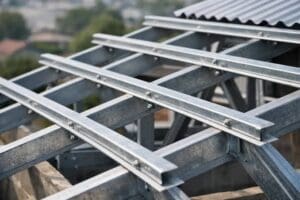
- Underlying structure and purlins — Ensure the supporting framework is still sturdy and not corroded
- Roof slope and drainage — Check whether water flows off efficiently or pools in certain areas
- Ventilation gaps — Poor ventilation can trap heat and moisture, affecting the new sheet’s lifespan
- Existing damage patterns — Understand why the old roof failed, so the same mistake isn’t repeated
- Compatibility with new materials — Confirm that new sheets and purlins will work well together structurally
A thorough inspection ensures you’re not just placing a new roofing sheet in Northeast India over an already compromised structure — which would undermine the investment before it even begins.
Can a New Roofing Sheet Improve the Appearance of an Old House?
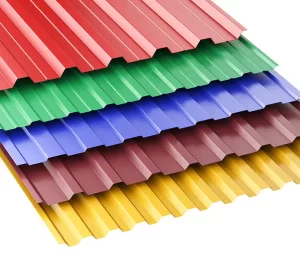
Surprisingly, yes — dramatically so. A roof is one of the most visible parts of any building, and an old, faded, or rusted one can make even a freshly painted house look tired and neglected. Replacing it with a modern coloured roofing sheet instantly refreshes the entire structure’s appearance, often making more visual impact than interior renovations alone.
This is especially true for homes in hilly or elevated areas, where the roof is visible from a distance or from neighbouring properties. A well-chosen coloured roofing sheet doesn’t just protect the house — it becomes part of its visual identity, complementing new paint and exterior finishes rather than clashing with them.
What Should Homeowners Check Before Replacing Their Roof?
Before finalizing your roofing sheet purchase, run through this checklist:
| Factor | Why It Matters |
|---|---|
| Material quality | PPGL/PPGI or aluminium-zinc coated sheets outlast basic options |
| Regional suitability | Sheets should be tested for humidity, rainfall, and terrain specific to your area |
| Coating and colour options | A coloured roofing sheet adds both protection and aesthetic upgrade |
| Warranty terms | Reflects manufacturer confidence in long-term durability |
| Installation expertise | Poor installation can undermine even the best-quality sheet |
This is particularly important for homeowners in varied terrains — the demands of a roofing sheet in Assam differ somewhat from a roofing sheet in Mizoram, given differences in elevation, slope, and rainfall intensity. A one-size-fits-all approach rarely delivers the best long-term results.
Why Roofing Deserves the Same Attention as Interiors
It’s easy to get swept up in the visible, exciting parts of a renovation — new tiles, fresh paint, modern fittings. But none of it holds up well if water is quietly seeping through an ageing roof above. A roofing sheet in Northeast India has to withstand genuinely demanding conditions — heavy monsoons, high humidity, and years of continuous exposure — making it one of the most functionally critical elements of any renovation project, not just a background detail.
This is where Dura Roof brings real value to renovation projects. With over 40 years of experience in the steel industry and deep expertise serving Northeast India’s climate, Dura Roof offers a wide range of solutions — from PPGL/PPGI trapezoidal profile sheets to aluminium zinc-coated Dura Lume sheets and sturdy Dura Purlins — all engineered to handle the specific challenges of the region. Whether you’re renovating a home with a roofing sheet in Assam or addressing the unique terrain challenges of a roofing sheet in Mizoram, Dura Roof’s regional expertise ensures your new roof performs as well as it looks.
The Bottom Line
Renovation is about more than aesthetics — it’s about protecting the investment you’re making in your home. While paint and interiors understandably get the spotlight, the roof quietly does the heaviest lifting, shielding everything beneath it from Northeast India’s demanding climate. Giving it the attention it deserves, rather than treating it as an afterthought, is what separates a renovation that lasts from one that needs redoing in a few short years.
Frequently Asked Questions
Should I replace my roof during home renovation? Yes, especially if your roof is over a decade old. Replacing your roofing sheet in Northeast India during renovation prevents future leaks from damaging newly renovated interiors.
How do I know if an old roofing sheet is still usable? Look for rust, water stains, sagging, or fading. Dura Roof recommends inspecting these signs before deciding between repair and full replacement.
Is it better to replace an old roof before renovating the house? Yes, addressing the roof first protects the rest of your renovation investment. Dura Roof’s durable sheets ensure your interiors stay protected long after renovation is complete.
What should I inspect before installing new roofing sheets? Check the underlying structure, drainage, ventilation, and compatibility with new materials. Dura Roof’s team can help assess these factors before installation begins.
Can a new roofing sheet improve the appearance of an old house? Absolutely. A coloured roofing sheet from Dura Roof instantly refreshes a home’s exterior, complementing new paint and renovation work.
What should homeowners check before replacing their roof? Check material quality, regional suitability, coating, and warranty. Dura Roof offers trusted solutions for both a roofing sheet in Assam and a roofing sheet in Mizoram, tailored to each region’s climate.
Planning a renovation? Talk to Dura Roof about roofing solutions built specifically for Northeast India’s climate.